
LA POSH
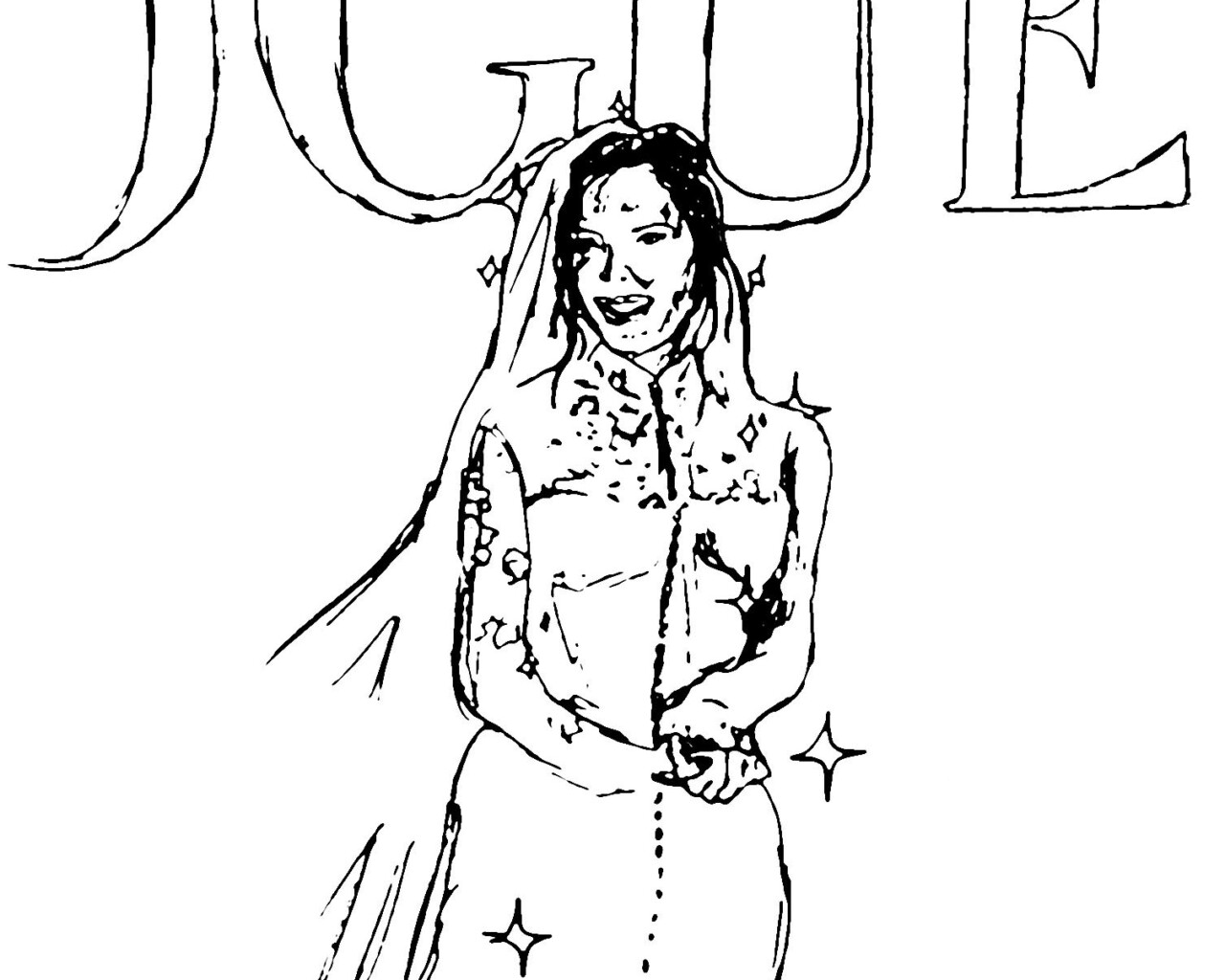
Screenshot Diva: Camilla Da Rocha aka La Posh (@laposhhhhhh)
There is something irresistibly out of time, and yet perfectly of this moment, about Camilla Da Rocha, better known as La Posh, couturière of contemporary etiquette.
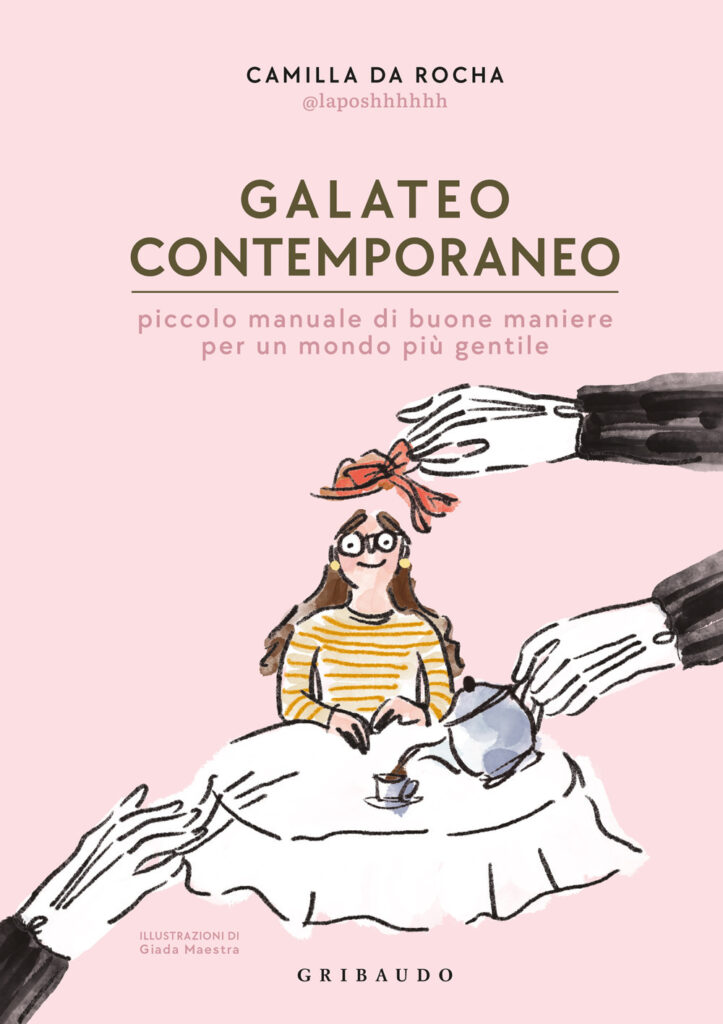
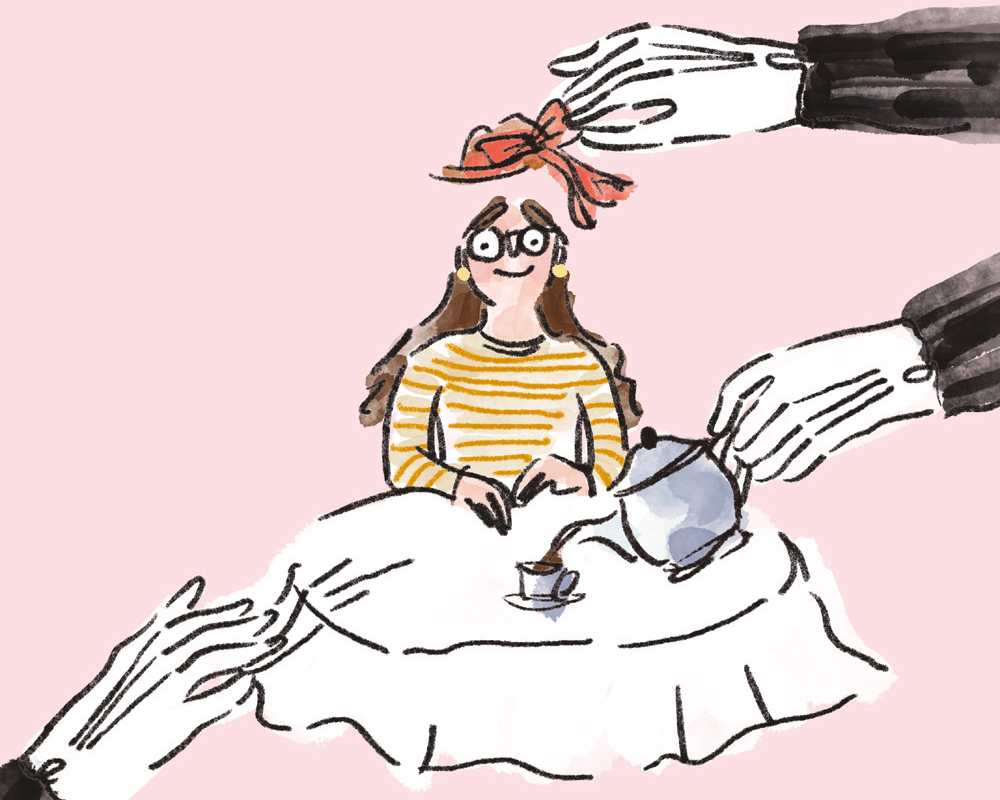
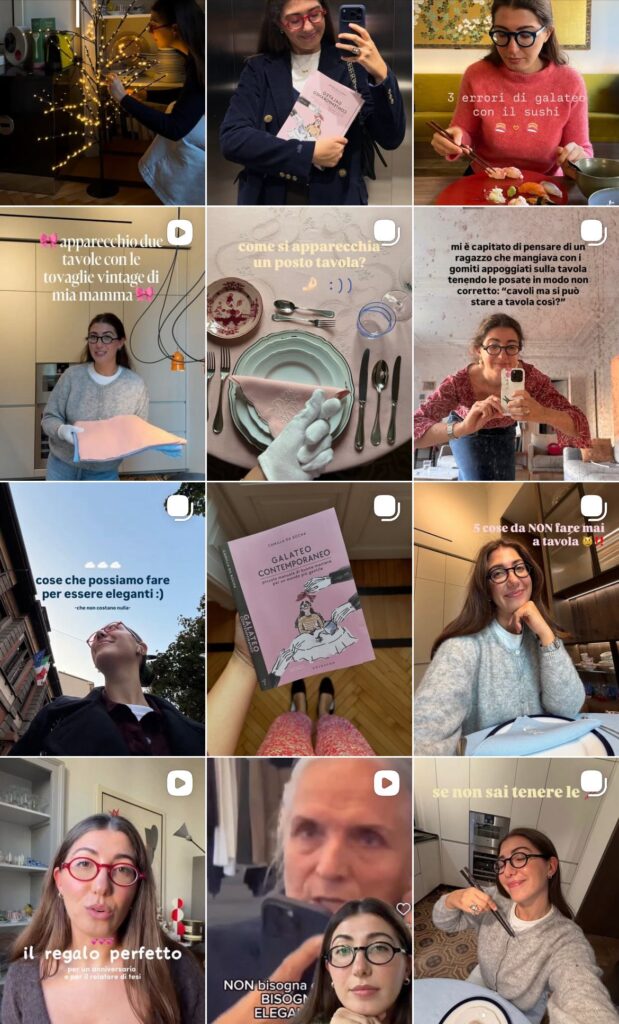
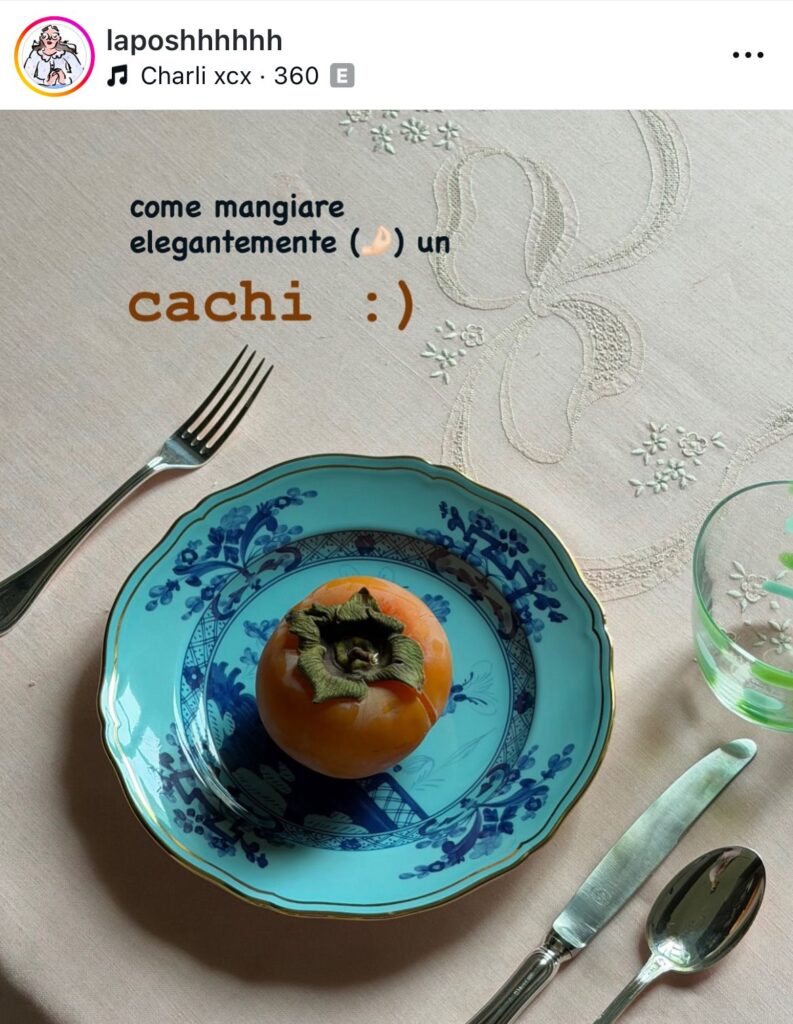
In her new book Galateo Contemporaneo (Gribaudo), she focuses on the small gestures that shape daily life: pouring water for your guests, placing cutlery with intention, approaching a persimmon with grace. Tiny acts that become forms of attention.
For La Posh, etiquette is not rigid but relational: a way to make others feel at ease, to soften interactions, to add clarity and a touch of elegance. Her work observes how we communicate today, across dining tables, voice notes, dates, group chats ,and offers a vocabulary that is simple, accessible, and free of snobbery.
Part educator, part entertainer, part ethnographer of kindness, La Posh writes for anyone who sees care as an aesthetic. Her galateo is intuitive, democratic, and aligned with contemporary life. Coriandoli loves a rule only when it’s a Diva Rule, and La Posh knows exactly how to write them.
How would you define “contemporary etiquette”? Who decides what is polite today?
Contemporary etiquette is simply kindness adapted to the times we live in. It’s less about rigid rules and more about respecting people’s boundaries, identities, and time.
Who decides what’s polite today? Honestly, all of us. Politeness now is a collective, evolving agreement shaped by culture, the internet, and how we choose to treat each other.
Who are your well-mannered icons?
Anyone who makes others feel comfortable the moment they enter a room. That can be a stylish grandmother, a thoughtful friend who checks in on everyone, or even that barista who remembers your allergy. Grace is democratic. But if I have to choose one: Valeria Bruni Tedeschi.
Do rules of behaviour liberate us or restrict us?
The good ones liberate us. They remove social friction, reduce anxiety, and help everyone feel included. When rules become tools to judge or exclude… then we drop them, thanks.
What is unacceptable table behaviour for you?
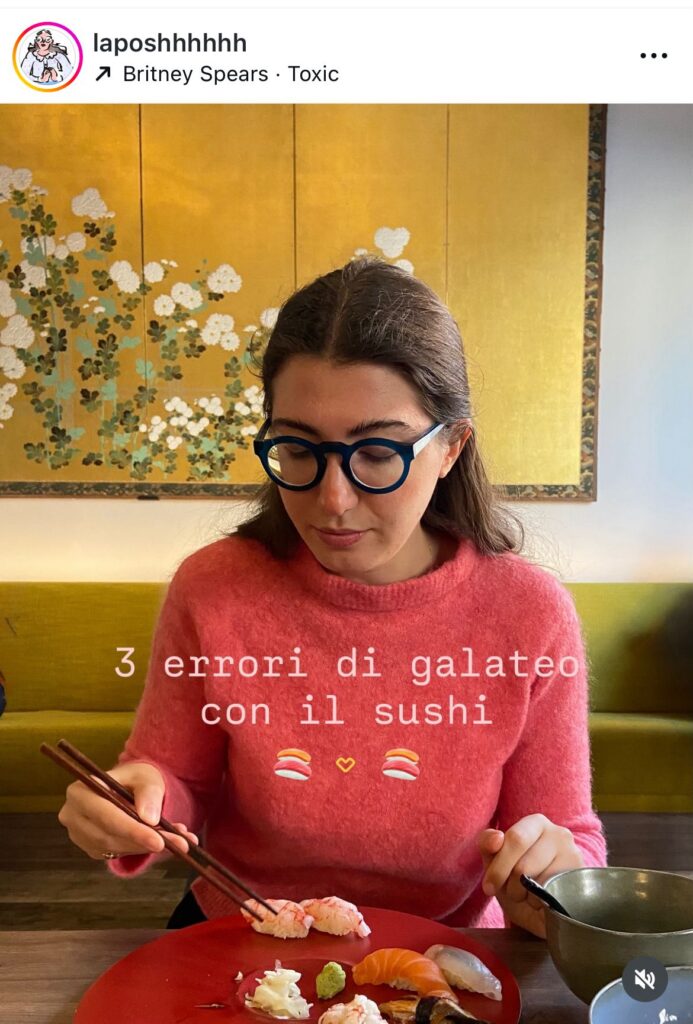
Anything that makes people feel uncomfortable or disrespected: treating service staff poorly, talking over others, or turning the meal into a performance rather than a moment of connection.
What was the moment you realised people needed this kind of knowledge? Do you think “knowing how to behave” can be such a power move?
I realised it when I saw how many people feel insecure in social situations that should be joyful. Yes, knowing how to behave is a power move, but a soft one: it’s the power to make others relax, and that’s magnetic.
What is your stance on phones at the dining table?
Phones can join the table only if they’re silent and not stealing attention. A quick photo of the food? Cute. Scrolling through TikTok mid-conversation? Less cute.
How does class, social anxiety, dating, and the internet reshape etiquette?
Modern etiquette recognises that not everyone grew up with the same social codes. It respects mental health, acknowledges different backgrounds, adapts to online life, and makes dating safer and more communicative. It’s etiquette with empathy.
Is there such a thing as clubbing etiquette?
Absolutely. Hydrate, respect people’s space, don’t touch without consent, don’t block the dancefloor for a photoshoot, and always help someone who looks unwell. Rave responsibly, babes.
What’s the most outdated rule, and the most necessary one?
Most outdated: “Ladies sit this way, men sit that way.” No thanks.
Most necessary: Be considerate: from tone of voice to how long you keep someone waiting.

Any bad habits you find hard to let go for yourself too?
Saying “yes” too quickly, even when I’m tired. Good manners also include setting boundaries: still learning.
At Coriandoli we are great fans of frozen food — do you have any recommendations on how to consume a frozen pizza without feeling existential rot?
Plate it beautifully, add a fresh topping (basil, rocket, chili oil: your choice), and sit down like you’re treating yourself, not “making do.” Chic is a state of mind, not a temperature.
Eating on the sofa, yes or no? Can it ever be chic?
Yes: if it’s intentional. A tray, a napkin, a candle, maybe a soft blanket. It’s cozy-chic, not “couch-goblin-at-midnight” vibes.
One rule we should all follow?
Leave people better than you found them: even if it’s just with a smile, a kind word, or a moment of feeling seen.